Key takeaways
- Asian weddings span three to five events over several days, so a clear, realistic timeline is essential for full coverage.
- Build generous buffers, ceremonies and getting-ready almost always run longer than planned.
- Share your timeline, venues and key moments with your photographer early so coverage and crew are planned around them.
- Allocate time for couple portraits and family groups, they are easily squeezed out of a packed schedule.
- For simultaneous events, like the bride preparing while the baraat arrives, plan a second photographer in advance.
A multi-day Asian wedding is a logistical feat: three to five distinct events, often across several venues and days, each with its own rituals, guests and timings. A clear, realistic timeline is what keeps it calm and ensures every moment is photographed. After more than a thousand weddings, we have learned exactly where schedules slip and how to build one that works. Here is how to plan a timeline that protects both your day and your photographs.
Why a timeline matters for Asian weddings
A timeline matters because Asian weddings are large and complex: industry guides describe them spanning three to five events, the mehndi, sangeet, ceremony and reception, often with guest lists of 200 to 300 or more, and total budgets that frequently reach around £50,000 or higher. With that much happening across several days, a vague plan guarantees stress and missed moments.
A good timeline does three things: it keeps the day calm and on track, it ensures rituals happen at their auspicious times, and it lets your photographer plan coverage and crew around the moments that matter. It is the single most useful document you can share with every supplier.
The typical sequence of events
Most multi-day Asian weddings follow a recognisable sequence, though the names and details vary by culture and family. Understanding the shape of it helps you build a realistic schedule.
- Mehndi / mayian, a colourful, relaxed pre-wedding event with henna, music and family, often the day before.
- Sangeet, an evening of music, dance and performances, sometimes combined with the mehndi.
- Getting ready, bride and groom preparations on the wedding morning, rich, intimate, and always longer than expected.
- The ceremony, the baraat, milni, the main rites under the mandap or at the nikah, the heart of the day.
- The reception, the grand celebration, often a separate evening or day, with entrances, speeches and dancing.
How much time each event needs
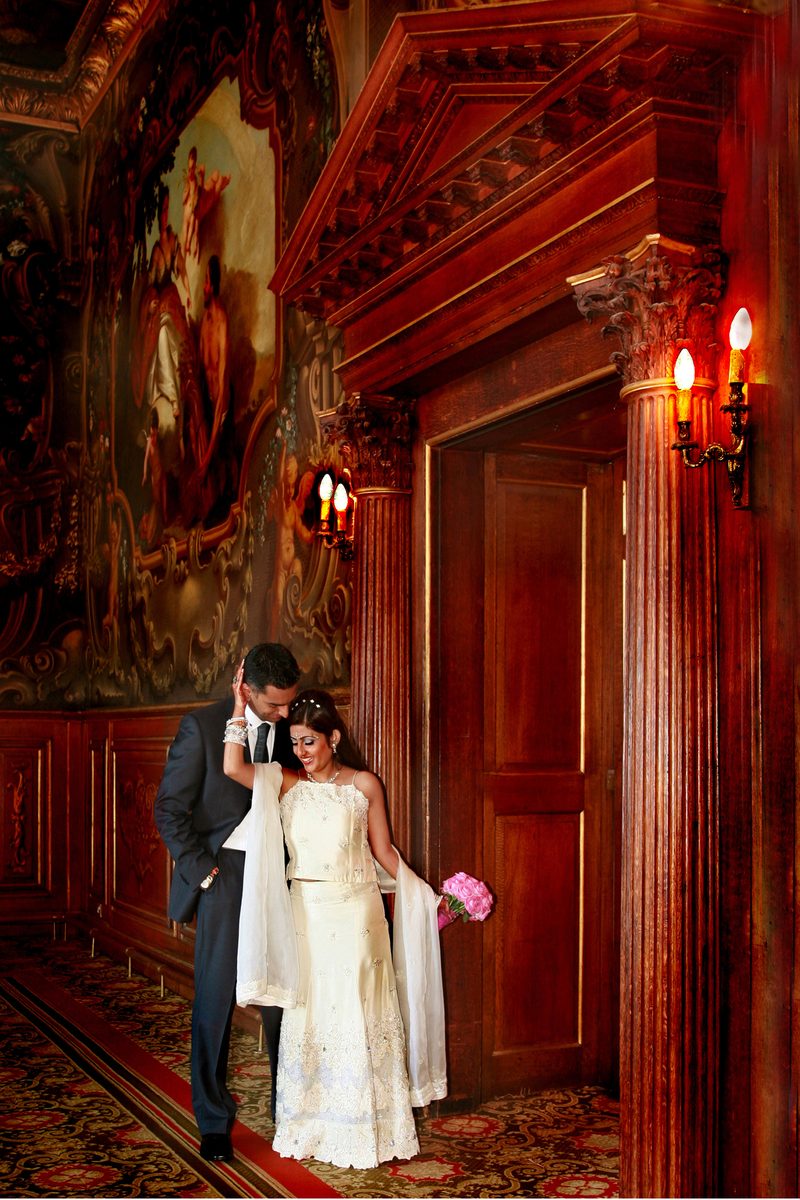
As a guide, allow two to three hours for getting ready, one to three hours for the ceremony depending on the rituals, 30 to 45 minutes for couple and family portraits, and a full evening for the reception. These are starting points, your priest's timings and your specific rituals should always take precedence.
The most common mistake is underestimating transitions: travel between venues, guests being seated, outfit changes and meals all consume time that rarely appears on a first draft. Mapping the day hour by hour, including these gaps, is what reveals whether your plan is realistic.
Build in buffers (everything runs late)
The single most valuable timeline tip is to build in generous buffers, because Asian weddings almost always run longer than planned. Hair and makeup overrun, ceremonies start late waiting for guests, and rituals take their own time. A schedule with no slack collapses the moment one thing slips.
Add 15 to 30 minutes of buffer around each major transition, and protect your portrait time specifically, it is the first thing to be sacrificed when the day runs late, and the photographs you most regret losing. A realistic timeline with margin is far better than an optimistic one that breaks by mid-morning.
Protecting time for portraits
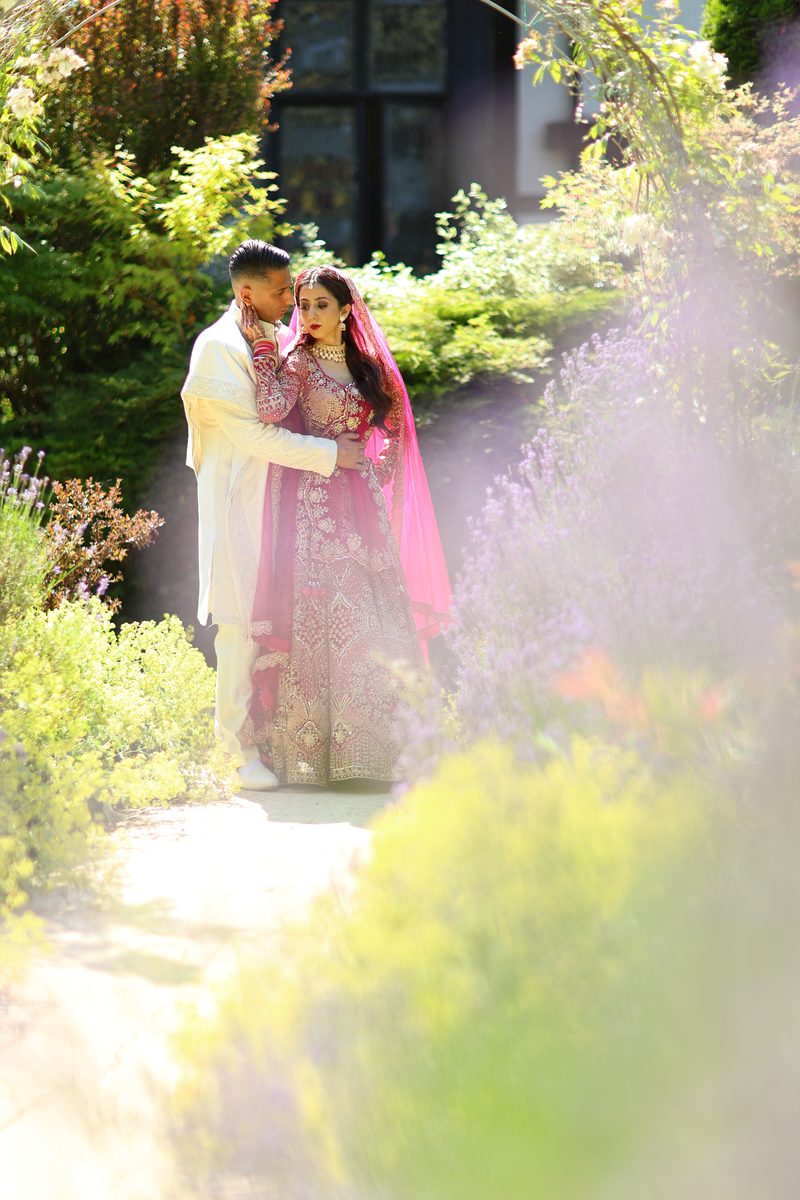
Couple portraits and family group photos are easily squeezed out of a packed multi-day schedule, so block dedicated time for them in the timeline rather than hoping they will happen. Even 20 to 30 minutes stolen for couple portraits, ideally near golden hour, yields some of the images you will treasure most.
For family groups, prepare a shot list of the combinations you want and a family member who can help gather people quickly, this saves enormous time. We help every couple plan these slots so the photographs they care about are guaranteed, not left to chance.
Briefing your photographer on the timeline
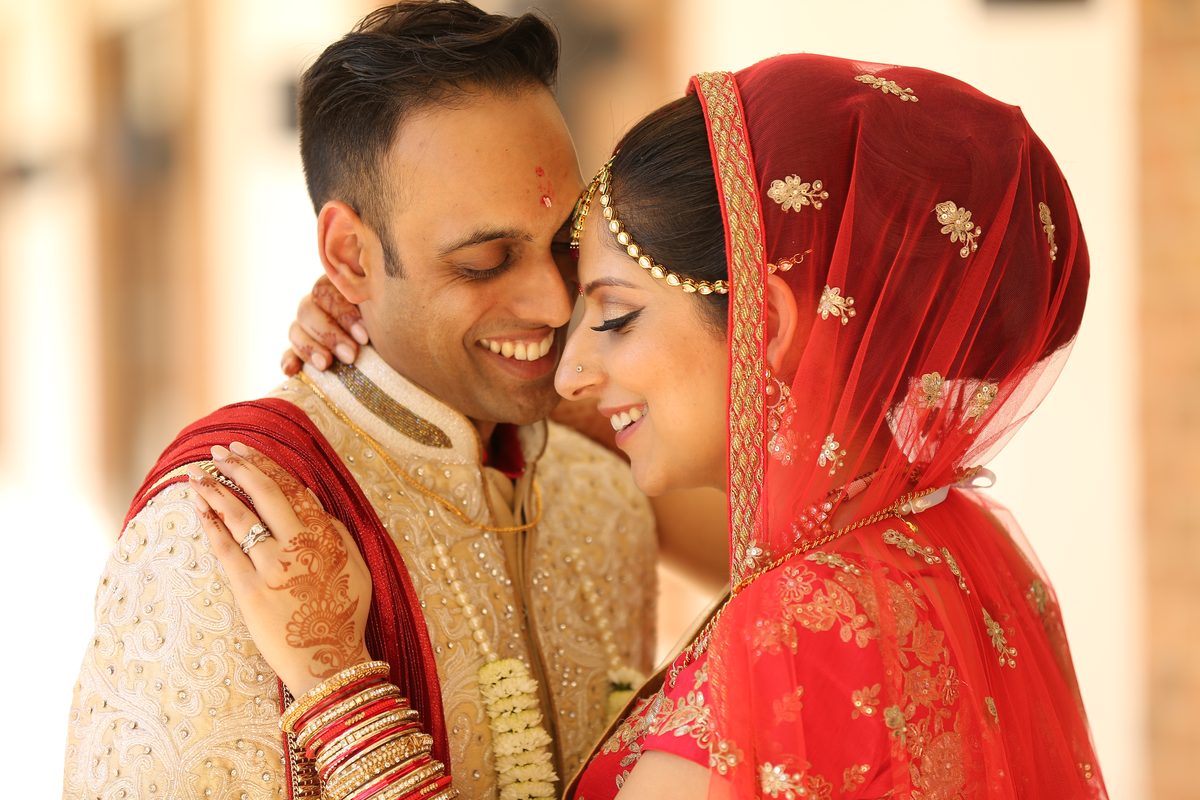
Share your timeline with your photographer as early as possible, ideally weeks before, including venues, travel times, the rituals you are keeping and the moments that matter most to you. This lets us plan coverage, position ourselves for key rites, and arrange a second photographer for simultaneous events such as the baraat arriving while the bride prepares.
A good photographer will also help you refine the timeline from experience, flagging where it is too tight, where light will be best for portraits, and where a second shooter is essential. The earlier we are involved, the smoother and better-documented your day will be.
A calm, well-photographed wedding starts with a realistic timeline, and we are happy to help you build one. Share your events and venues and we will plan coverage, crew and portrait time around the moments that matter most to you.
Related: Asian wedding photography, Asian wedding photographer cost in London, photographing a multi-day Asian wedding, questions to ask your photographer.