Key takeaways
- A Hindu wedding unfolds through a sequence of rituals, each with its own meaning and its own photographic moment.
- The richest images come from anticipating the baraat, the jaimala, the pheras around the sacred fire, and the vidaai.
- With over a million Hindus in England and Wales, demand for photographers who know these traditions is high.
- Good Hindu wedding photography is unobtrusive: present for every ritual, never intruding on the sacred ones.
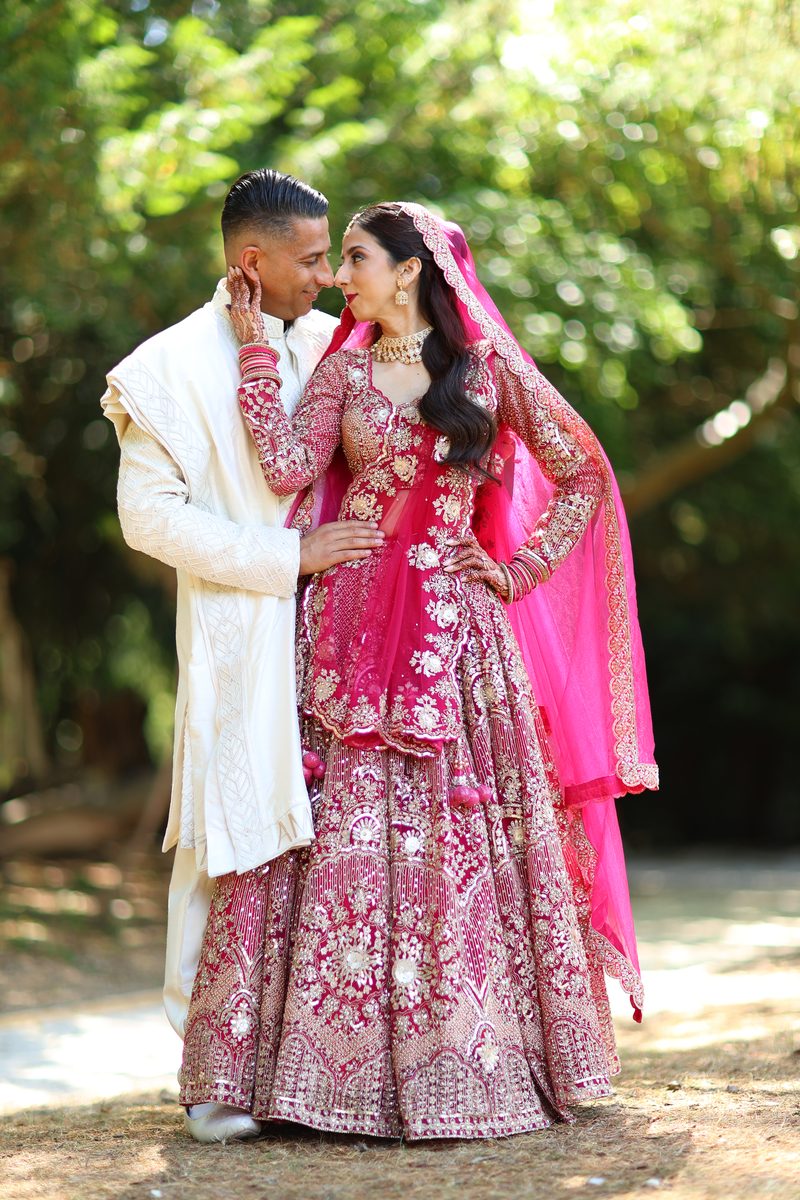
Hindu wedding photography is the art of anticipating ritual. A Hindu ceremony moves through a series of meaningful rites, from the groom's joyful baraat to the seven steps of the saptapadi and the tender farewell of the vidaai, and the most powerful photographs come from knowing exactly what is coming and where to stand. Here is a guide to the key moments, drawn from twenty-five years of photographing them across London and the UK.
Why Hindu wedding photography is a specialism
Hindu weddings are a major part of British life: the 2021 Census recorded 1,032,775 Hindus in England and Wales, the third-largest religious group, alongside 524,000 Sikhs. Many of those families keep wedding traditions that stretch across several days and dozens of rituals.
Photographing them well is a specialism, not a sideline. It means understanding the order of events, the meaning of each rite and the rhythm of the day, so the camera is always in the right place for moments that happen only once.
The baraat: the groom's arrival
The baraat is the groom's procession to the wedding venue, usually a loud, joyful affair with dhol drums, dancing and family. It is one of the most energetic photo opportunities of the day, full of movement and emotion, and often needs a second photographer so the arrival outside and the bride's preparations inside are both captured.
The milni and ganesh puja
The milni is the formal meeting of the two families, often with garlands and warm embraces, while the ganesh puja invokes Lord Ganesha's blessings for an auspicious start. These quieter moments hold a lot of feeling and reward a photographer who reads families well and stays unobtrusive.
The mandap, kanyadaan and jaimala
Under the decorated mandap the heart of the ceremony unfolds. The jaimala, the exchange of garlands, is a bright, celebratory moment, while the kanyadaan, the giving away of the bride by her parents, is deeply emotional. We photograph these with respect for their significance, capturing expression and gesture without ever getting in the way.
The saptapadi and the sacred fire
The saptapadi, the seven steps or pheras around the sacred fire (agni), is the moment the marriage becomes binding, with each step representing a shared vow. Photographing it well means understanding the choreography in advance, the couple circling the fire, the tying of the garments, so the camera is always positioned for these once-only moments.
Sindoor, mangalsutra and the vidaai
The groom applies sindoor to the bride's hair parting and ties the mangalsutra, the symbols of their union. Then comes the vidaai, the bride's emotional departure from her family home, often the most moving sequence of the entire day. These are the photographs families treasure most, and they happen quickly, so anticipation is everything.
Over the years we have learned that the vidaai rewards restraint: standing back, staying quiet and letting the emotion unfold, rather than directing it.
No two Hindu families keep their traditions in quite the same way, and we photograph yours as you keep them. Tell us about your ceremony and we will plan coverage around the rituals that matter most to you.
Related: Asian wedding photography, photographing a multi-day Asian wedding, our gallery, check your date.