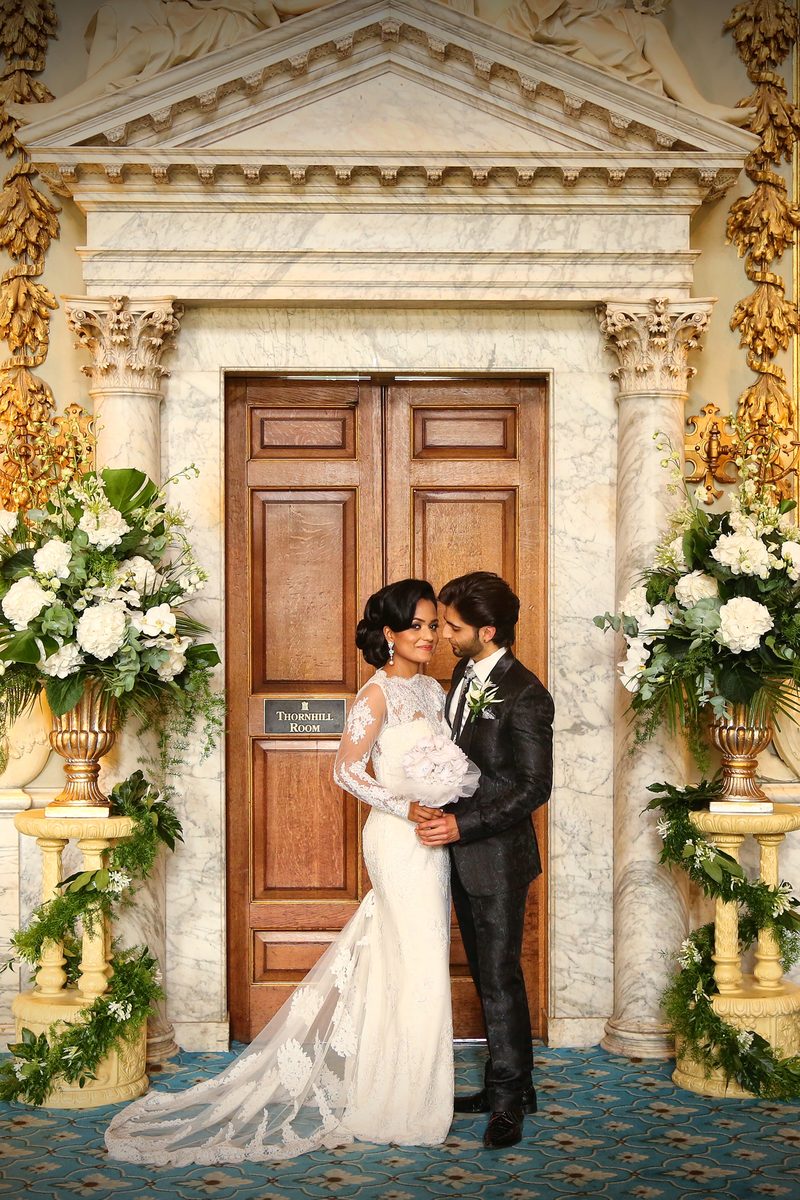
Key takeaways
- London has under 8 hours of daylight at the December solstice, so the day's light must be planned carefully.
- Schedule couple portraits for early-to-mid afternoon, golden hour can fall as early as 3:30-4pm in midwinter.
- Winter offers cosy indoor backdrops, candlelight, fairy lights and dramatic skies you cannot get in summer.
- Winter dates (Nov-March) can cost 15-30% less than peak summer, freeing budget for photography.
- Have a strong weather and lighting plan, an experienced photographer turns short days into an advantage.
Winter weddings have a magic all their own, candlelight, cosy interiors, crisp light and dramatic skies, but they demand careful planning because the days are so short. In London there are fewer than eight hours of daylight at the December solstice, so the difference between beautiful portraits and missed light comes down to timing. Done well, a winter wedding produces some of the most atmospheric images of all. Here is how to make the most of the short days.
How short are the days at a UK winter wedding?
They are very short: London has just 7 hours 53 minutes of daylight at the December solstice, compared with 16 hours 42 minutes in June, according to timeanddate.com. Sunset falls around 3:55pm in late December, which completely reshapes how a wedding day must be timed for photography.
This is not a problem, it is simply a planning constraint. The key is to front-load daylight-dependent photography, couple portraits and group shots, into the early afternoon, and to embrace the long, atmospheric evening for candlelit and indoor images. With the light mapped in advance, short days become an asset rather than a worry.
Timing couple portraits for the best light
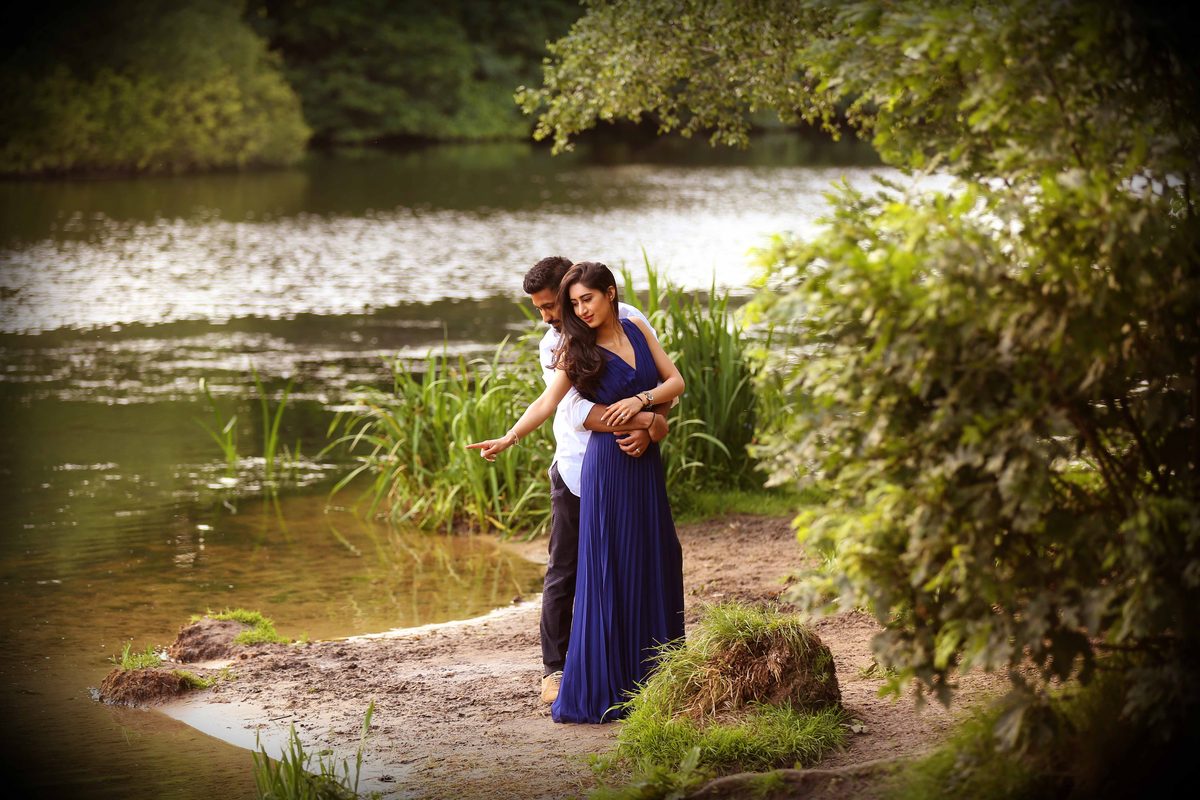
For a winter wedding, schedule couple portraits for early-to-mid afternoon, because golden hour can arrive as early as 3:30 to 4pm in midwinter. Stepping out for ten to fifteen minutes around then gives you the soft, warm light that makes portraits glow, before the early sunset takes it away.
If your ceremony is late morning or midday, this fits naturally after the formalities. If it is later, talk to your photographer about a brief portrait slot the moment the light is right, even pausing proceedings for a few minutes is worth it. We plan this into the timeline so the light is never lost to a packed schedule.
Embracing cosy indoor and candlelit backdrops
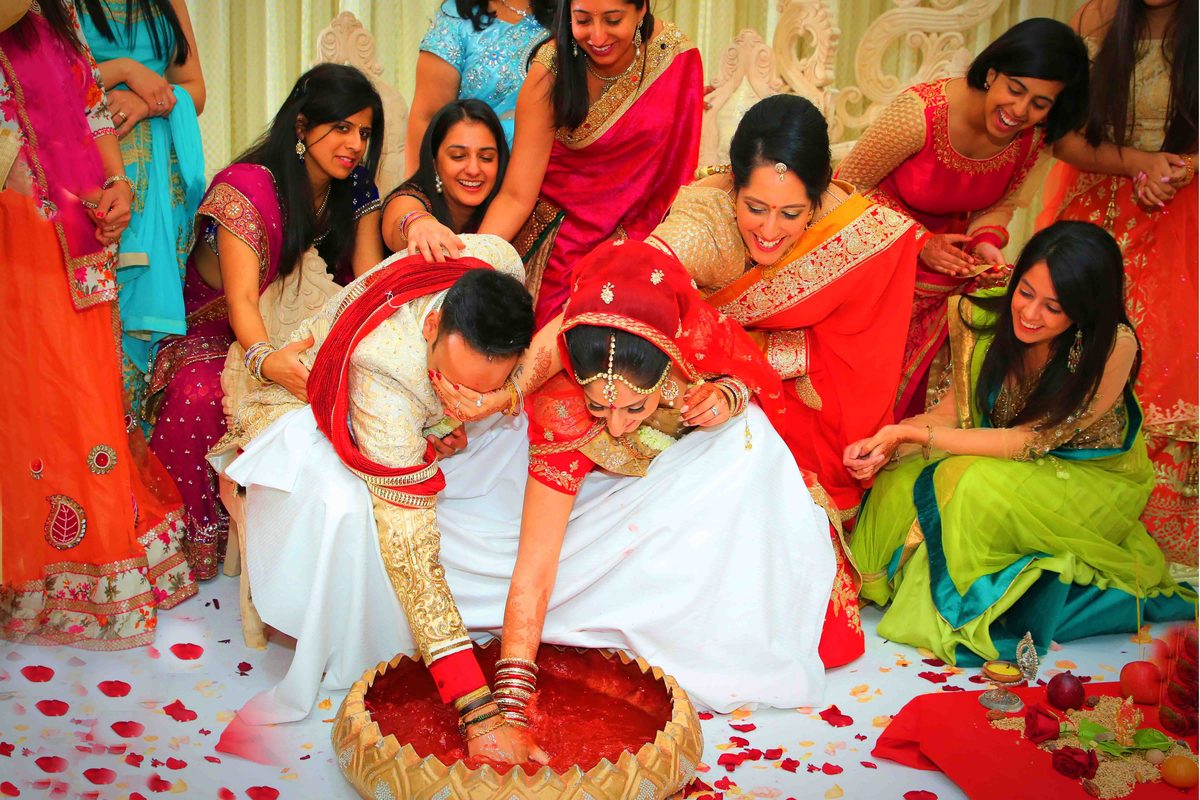
Winter gives you atmospheric backdrops summer simply cannot: candlelight, fairy lights, roaring fires, twinkling venue decor and richly lit interiors. As the early evening draws in, these become the stage for some of the most romantic images of the day, warm, intimate and full of mood.
Photographing candlelight and low-light interiors beautifully takes skill and the right equipment, balancing warm ambient glow with natural skin tones rather than harsh flash. It is one of the clearest reasons to choose an experienced photographer for a winter wedding, where so much of the day happens in low light.
Weather planning for a winter wedding
A strong weather plan is essential for a winter wedding. Cold, rain or even snow can all feature, so we always agree indoor backup locations for portraits and group shots, and a flexible approach to stepping outside when conditions allow. A crisp, bright winter day is a gift; a wet one simply moves the magic indoors.
Snow, when it comes, is spectacular, but never rely on it. The dependable winter assets are dramatic skies, bare-tree silhouettes, cosy interiors and early golden light. With backups in place, the weather becomes something to make the most of rather than fear.
Why a winter date can save you money
A winter date can stretch your budget, because it falls outside peak wedding season. Wedding industry guides estimate that winter dates from November to March can cost around 15-30% less than peak summer, with January and February the quietest and cheapest months of all.
Those savings on the venue and other suppliers can be redirected to the things that last, photography being chief among them. A winter wedding often means more availability among the best suppliers too, since they are less heavily booked than in high summer.
Making short days work for you
The secret to winter wedding photography is simple: plan the light, then relax. With portraits timed for early afternoon, candlelit moments mapped for the evening and weather backups in place, the short day stops being a limitation and becomes a distinctive, atmospheric style.
We have photographed many winter weddings and they are among our favourites, the warmth of the interiors, the drama of the light and the intimacy of the season give images a mood that summer cannot match. With the right plan, short days are an advantage.
Winter weddings reward planning with atmosphere no other season can match. Tell us your date and venue and we will map the light, plan weather backups and make the short days work beautifully in your favour.
Related: Asian wedding photography, golden hour wedding photos, portrait photography, check your date.