Key takeaways
- The baraat is the groom's lively procession to the wedding, with dhol drums, dancing and family.
- It is one of the highest-energy, most joyful photo opportunities of the entire wedding.
- Capturing it means anticipating fast movement, big emotion and the climactic arrival and milni.
- A second photographer is often essential, the baraat outside and the bride's preparations inside happen at once.
- Brief your photographer on the route, timing and transport so the energy is captured in full.
The baraat is pure joy in motion, the groom's procession to the wedding venue, accompanied by dhol drums, dancing family and friends, and often the groom arriving on a horse, in a car or even on an elephant. It is one of the most energetic and photogenic moments of an Asian wedding, and capturing it well takes anticipation and experience. Here is a guide to photographing the baraat in all its colour and exuberance.
What is the baraat?
The baraat is the groom's wedding procession, in which he travels to the wedding venue accompanied by his family and friends in a lively, celebratory parade. Traditionally led by the beat of the dhol drum, with everyone dancing, it announces the groom's arrival with maximum joy and energy.
Common to many South Asian weddings, Hindu, Sikh, Punjabi and others, the baraat is a highlight of the day. The groom may arrive on a decorated horse, in a luxury car, or by some grander means, surrounded by the people closest to him. It is colour, noise and happiness all at once.
Why the baraat is a photographer's highlight
The baraat is a highlight for photographers because it combines movement, emotion and spectacle in a way few wedding moments do. The dancing, the drumming, the groom's expression, the swirl of family and colour, it is dynamic, unscripted and overflowing with energy that makes for striking, joyful images.
It is also fleeting and unrepeatable, building to the climactic arrival. That mix of high energy and once-only moments is exactly what makes the baraat so rewarding to photograph, and so important to get right.
Anticipating the energy and movement
Photographing the baraat well means anticipating fast, unpredictable movement and being ready for peak moments before they happen. We position to capture the groom front and centre, the dancers around him, and the build of energy as the procession advances, working quickly to freeze the action and the expressions.
Experience matters here: knowing where the procession will go, when the dancing will surge, and how to stay mobile in a moving crowd. We keep ahead of the baraat rather than chasing it, so we are always in position for the next burst of joy.
The arrival and the milni
The baraat builds to the groom's arrival at the venue and the milni, the formal, warm meeting of the two families, often with garlands and embraces. This is the emotional payoff of the procession, and a sequence of key images: the groom's grand entrance, the families coming together, the relief and delight on every face.
We make sure to capture both the crescendo of the arrival and the tender, joyful milni that follows. After the high energy of the procession, these meeting moments add emotion and warmth to the story of the baraat.
Why the baraat often needs a second photographer
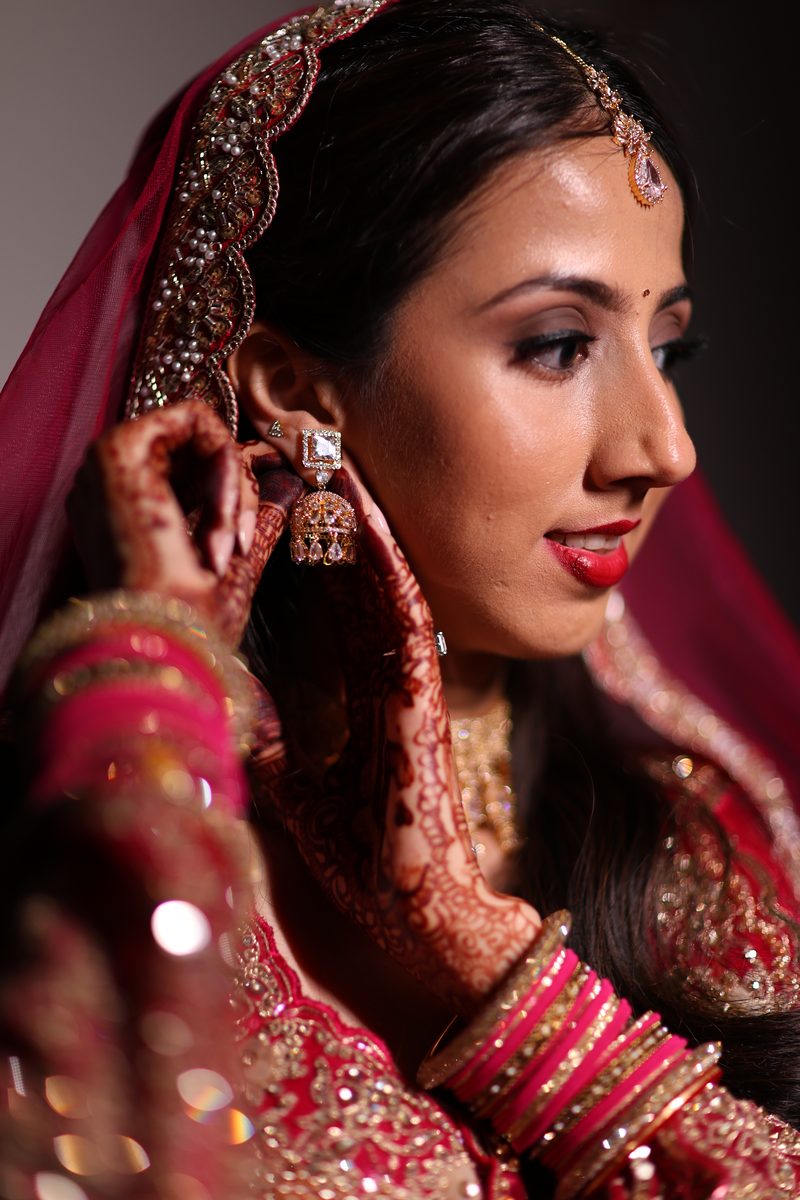
The baraat is one of the strongest reasons to have a second photographer, because it happens at the same time as the bride's final preparations inside. A single photographer cannot capture the groom's exuberant arrival outside and the bride's quiet, emotional getting-ready moments at once, one of them will be missed.
With two photographers, both unfold in parallel: the energy and spectacle of the baraat, and the intimacy of the bride waiting within. For this reason we usually recommend a second shooter for weddings with a baraat, so no part of this pivotal moment is lost.
Planning baraat coverage with your photographer
Good baraat coverage starts with a brief. Tell your photographer the route, the start point and timing, how the groom is arriving (horse, car or otherwise), and where the procession ends and the milni happens, so we can plan positions and movement in advance.
We also coordinate with whoever is leading the procession and, crucially, plan second-photographer coverage so the bride's simultaneous preparations are captured too. With the logistics understood beforehand, we can give the baraat the dynamic, complete coverage its energy deserves.
The baraat is joy at full volume, and it deserves coverage that keeps up with it. Tell us about your procession, the route, the arrival, the timing, and we will plan dynamic coverage, with a second photographer, so none of the energy is lost.
Related: Asian wedding photography, Hindu wedding photography guide, planning a multi-day Asian wedding timeline, check your date.