Key takeaways
- Gujarati weddings are colourful, joyful and rich in ritual, spread across several events.
- Key moments include the pithi, the garba, the jaan, the hasta milap and the four mangal pheras.
- Each ritual has its own emotion and photo opportunity, so anticipation is everything.
- Knowing the order of events lets a photographer be in the right place throughout.
Gujarati weddings are among the most colourful and joyful of all Asian celebrations, full of music, ritual and family. From the turmeric of the pithi to the energy of the garba and the sacred four mangal pheras, each event offers its own photographic moment. Here is a guide to the traditions and the moments not to miss, from a studio that has photographed them for twenty-five years.
The pithi and pre-wedding events
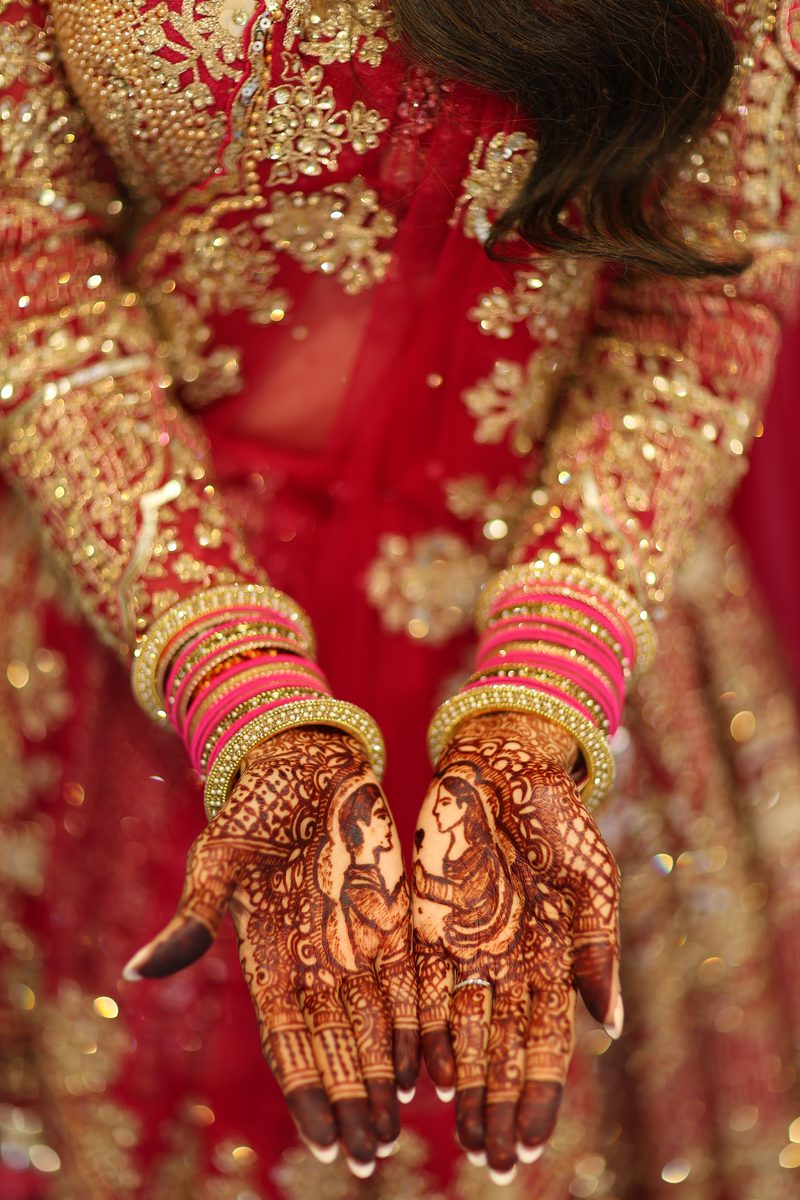
Gujarati celebrations often begin with the pithi, where turmeric paste is lovingly applied to the bride and groom by family, amid laughter and mess. It is warm, candid and full of natural expression, one of the most enjoyable events to photograph. The mehndi and a lively garba or sangeet usually follow.
The garba: music and movement
The garba, a traditional folk dance performed in circles, is a highlight of many Gujarati weddings. Dancers in vibrant outfits, swirling movement and low evening light make it a wonderful but challenging event to photograph, rewarding a photographer who can capture energy and colour without freezing the joy out of it.
The jaan and the welcome
The jaan is the groom's arrival with his family and friends, the Gujarati counterpart to the baraat, met by the bride's family with a warm welcome ceremony. Like all processions, it is high-energy and unrepeatable, and at larger weddings a second photographer ensures both the arrival and the bride's preparations are captured.
Hasta Milap and the mangal pheras
Under the mandap the ceremony unfolds. The hasta milap, the joining and tying together of the couple's hands and garments, symbolises their union. The heart of the ceremony is the mangal pheras, four circles around the sacred fire, each representing a key aspect of married life. We photograph these knowing exactly what comes next, so the once-only moments are never missed.
The vidaai: a moving farewell
As with other Hindu and Gujarati ceremonies, the day closes with the vidaai, the bride's emotional departure from her family. It is often the most moving sequence of all, and it rewards a photographer who stays quiet and lets the emotion unfold rather than directing it.
Every Gujarati family keeps its traditions a little differently, and we photograph yours as you keep them. Tell us about your events and we will plan coverage around the moments that matter most.
Related: Asian wedding photography, Hindu wedding photography guide, our gallery, check your date.